
Why Busy New Yorkers Love 60-Minute Workout Classes on the Upper East Side
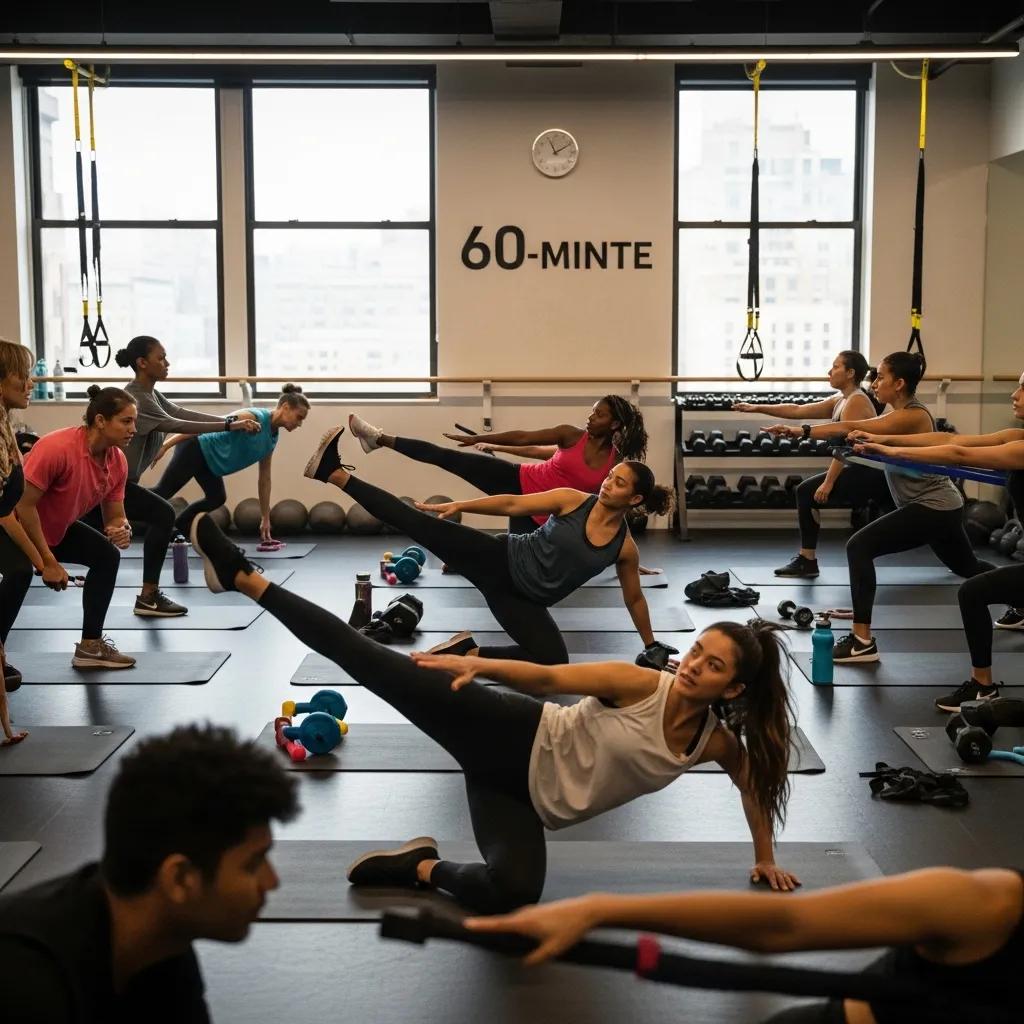
Busy New Yorkers often juggle long commutes, packed calendars, and high workplace demands, which makes finding effective exercise time a major challenge. This article explains why 60-minute workout classes on the Upper East Side deliver measurable fitness and mental-health returns within a single hour by using programmed progressions, interval structure, and focused recovery. Readers will learn how these time-efficient workouts save minutes without sacrificing intensity, which class types match specific goals, and how to choose the right studio or trainer for a tight schedule. The guide maps key benefits, compares popular modalities like HIIT, Barre, and Pilates, and offers a quick decision checklist plus practical strategies to make a 60-minute routine stick. By the end you’ll have a clear framework to maximize results per minute and integrate a consistent exercise habit into a New York professional’s week.
What Are the Key Benefits of 60-Minute Workout Classes for Busy New Yorkers?
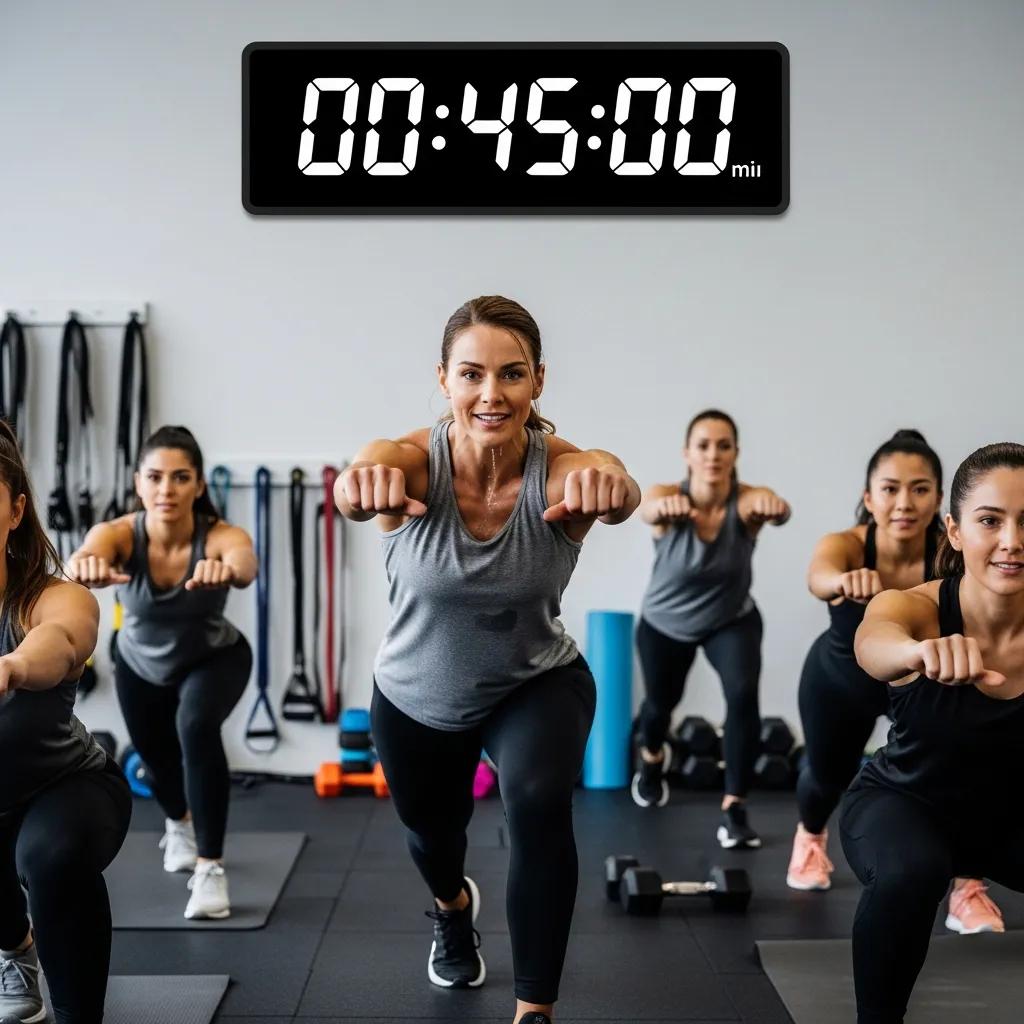
A 60-minute workout class is a condensed, intentionally structured session that balances warm-up, focused work intervals, strength circuits, and a cool-down to deliver high-density training in a single hour. The mechanism is simple: concentrated intervals and compound movements increase workout density and metabolic stimulus, producing cardio and strength adaptations faster than unfocused training. Key benefits include time savings, consistent adherence, measurable fitness gains, and mental-health improvements like stress reduction and improved focus. Below we break down the core benefits and how they map to typical class attributes so readers can quickly compare outcomes before choosing a class.
A concise list of primary advantages follows to summarize the value proposition and orient choices.
- Time Efficiency: Structured intervals and circuits maximize work in limited time.
- Improved Adherence: Fixed 60-minute slots fit calendars and support routine formation.
- Balanced Fitness: Sessions combine cardio, strength, and mobility for broad outcomes.
These benefits show why a focused hour can replace much longer, unfocused workouts and lead directly into how instructors design classes to deliver results within sixty minutes.
How Do 60-Minute Classes Save Time Without Sacrificing Results?
A well-designed 60-minute class saves time by sequencing warm-up, high-density work, and recovery so each minute contributes to the training goal. Instructors use interval blocks, compound lifts, and short rest periods to increase workout density, and programmed progressions ensure overload across sessions without adding extra time.
A typical timeline uses a 10-minute dynamic warm-up, 35–40 minutes of main work (intervals and strength circuits), and a 5–10 minute cool-down with mobility, which concentrates stimulus while protecting recovery.
These design choices create efficient stimulus that leverages excess post-exercise oxygen consumption (EPOC) and muscular tension to produce results comparable to longer sessions, and this efficiency leads naturally into the kinds of physiological benefits participants experience.
What Physical and Mental Health Benefits Do These Workouts Offer?
Sixty-minute classes produce cardiovascular gains, strength improvements, and mobility maintenance by combining aerobic intervals with resistance-focused blocks tailored to progressive overload. On the mental-health side, focused exercise reduces acute stress, improves mood through endorphin and neurotransmitter shifts, and sharpens cognitive focus—benefits that translate into workplace productivity.
Habit formation is accelerated by predictable scheduling and community accountability, increasing long-term adherence for busy professionals. Understanding these health outcomes informs the next section: which class types best deliver specific benefits for different goals.
Before the comparison, a compact table helps compare benefits across attributes for quick scanning.
| Benefit Area | Typical Class Attribute | Expected Outcome |
|---|---|---|
| Time Efficiency | Interval blocks + compound movements | High results per minute |
| Calorie & Conditioning | High-intensity cardio segments | Elevated calorie burn and aerobic capacity |
| Strength & Mobility | Targeted strength circuits + mobility | Improved functional strength and flexibility |
This table clarifies how a 60-minute format can be tailored to different performance goals, and it sets up a deeper look at popular class modalities on the Upper East Side.
Which Types of 60-Minute Workout Classes Are Popular on the Upper East Side?
Popular 60-minute modalities on the Upper East Side concentrate work density and target specific outcomes—cardio conditioning, lean strength, or mobility—so professionals can pick a session that aligns with limited time and a clear goal.
These classes function as segments of boutique fitness and personal training, and each modality uses its own mix of interval structure, resistance, and cueing to deliver results in an hour. Below is a short definitional breakdown of core class types and who typically benefits most from each option. After the list, an example implementation note highlights how boutique studios structure a single-hour class for maximum efficiency.
Common 60-minute class types on the UES include:
- HIIT: Short, high-effort intervals paired with rest for metabolic conditioning.
- Barre: Low-impact, high-repetition work that targets posture, core, and muscle endurance.
- Pilates: Focused on control, core integration, and mobility with slower, precise movements.
- Spin/Run/Strength: Cardio-dominant or strength-specialized sessions for sport or endurance goals.
These short descriptions lead directly into a compact comparison of who each modality serves best.
| Class Type | Best for… | Expected Outcomes |
|---|---|---|
| HIIT | Time-crunched cardio and metabolic conditioning | Improved VO2 max and calorie burn |
| Barre | Low-impact strength and posture | Increased muscle endurance and alignment |
| Pilates | Mobility and core stability | Enhanced flexibility and functional core strength |
Example implementations from boutique operators often pair a 10-minute dynamic warm-up with focused blocks and a mobility cool-down so the full hour is consistently productive. As an illustrative resource, example service models from Sweat 60 Fitness and Sweat 60 Personal Training demonstrate time-efficient 60-minute classes that emphasize personalized coaching and community support as core UVPs without implying specific Upper East Side locations.
Time-Efficient High-Intensity Interval Training for Workplace Health
The efficacy of high-intensity interval training (HIT) as a time-efficient exercise strategy for beneficially modifying risk factors for cardiovascular disease has repeatedly been demonstrated in controlled laboratory settings. However, the effectiveness of HIT in an unsupervised workplace setting has not been investigated. The objective of this study was to use mixed methods to investigate the feasibility, acceptability and effectiveness of a short-duration, high-intensity exercise intervention (REHIT) when applied unsupervised in a workplace setting.
Time-efficient and computer-guided sprint interval exercise training for improving health in the workplace: a randomised mixed-methods feasibility study in office …, H Atef, 2020
How Can Busy New Yorkers Choose the Best 60-Minute Fitness Classes on the Upper East Side?

Choosing the right 60-minute class means matching personal goals, intensity tolerance, commute constraints, and community fit; the decision process is best viewed as a short checklist. Mechanically, evaluate class descriptions for interval content, resistance elements, and progression models to ensure sessions align with your desired outcomes. Verify instructor cueing, class size, and scaling options to confirm safety and personalization for different fitness levels.
Use this numbered checklist to prioritize selection factors when scanning class schedules and studio profiles.
- Intensity & Scaling: Confirm available progressions and beginner options.
- Location & Schedule: Map door-to-class commute time and frequency of classes.
- Community & Coaching: Look for consistent instructor rosters and small-group coaching.
- Trial Options: Choose studios offering an introductory class or short-term pass.
These items set up a verification table to translate considerations into practical checks before you book a class.
| Consideration | What to Look For | Practical Tip |
|---|---|---|
| Intensity | Clear class pacing and scaling cues | Read class descriptions for interval length |
| Location | Proximity and transit time | Test commute during peak hours once |
| Community | Class size and instructor visibility | Attend a trial and observe interaction |
After narrowing options through the checklist, pragmatic discovery methods include local listings, studio websites, and word-of-mouth referrals. As a brief example resource, practitioners may review time-efficient personal training and small-group models like those used by Sweat 60 Fitness and Sweat 60 Personal Training to understand how personalized coaching and community elements are commonly structured in 60-minute formats; treat these as illustrative examples rather than location endorsements.
High-Intensity Functional Training for Time-Efficient Workouts
Group-based high-intensity functional training (HIFT) provides time-efficient aerobic and resistance exercise at self-selected intensity levels which can increase adherence; behavioral responses to HIFT are unknown. This study examined effects of HIFT as compared to moderate-intensity aerobic and resistance training (ART) on exercise initiation, enjoyment, adherence, and intentions.
2. A stratified, randomized two-group pre-test posttest intervention was conducted for eight weeks in 2012 with analysis in 2013. Participants (n = 23) were stratified by median age (
High-intensity compared to moderate-intensity training for exercise initiation, enjoyment, adherence, and intentions: an intervention study, KM Heinrich, 2014
What Factors Should You Consider: Intensity, Location, and Community?
Intensity, location, and community form the triad that predicts long-term fit and adherence when selecting a 60-minute class. Intensity determines whether the class will deliver desired physiological stress, so assess interval lengths, load progression, and instructor emphasis on form. Location impacts whether a session is sustainable given commute patterns; small increases in travel time significantly reduce attendance rates for busy professionals. Community and instructor rapport drive accountability and enjoyment, which are critical for habit formation and consistent results. Evaluating these three factors together simplifies decision-making and prepares you to trial classes with a clear checklist in hand.
Where Can You Find Trusted Personal Training and Group Sessions?
Discovery starts with studio descriptions, local review aggregators, and recommendations from colleagues; then verify trainer credentials, class-to-instructor ratios, and sample programming before committing. Look for clear notes on certifications and coaching philosophy, and prefer studios that publish class structure (warm-up, intervals, cool-down) so you can anticipate session density. Short trial passes or introductory packages let you experience class pacing and coaching style before purchasing a long-term commitment. These verification steps reduce risk and speed the selection process, which is essential for professionals who need an efficient, reliable fitness solution.
Balancing Fitness with a Busy Life: Expert Tips
In today’s fast-paced world, juggling a busy life and maintaining fitness can feel like an impossible task. As a personal trainer in San Mateo, I’ve seen countless clients struggle with this balancing act. But here’s the good news: it’s not only possible to stay fit while managing a hectic schedule, it’s also crucial for your overall well-being and success.
2. AtHolly Roser Fitness, we understand the unique challenges faced by busy professionals, parents, and individuals trying to prioritize their health. In this blog, we’ll explore evidence-based strategies and practical tips to help you integrate fitness into your packed schedule without sacrificing your other commitments or burning out.
How to Balance Fitness and Busy Life: Tips from Holly Roser
How Do 60-Minute Workout Classes Fit Into a Busy NYC Lifestyle?
Fitting a 60-minute class into a busy New York routine relies on calendar-blocking, preplanning, and leveraging commute windows so training becomes a predictable appointment rather than an optional activity. Practical scheduling tactics make attendance frictionless: book consistent weekly slots, lay out gear the night before, and pair recovery planning (sleep and nutrition) around higher-intensity days. Micro-habits such as prepping workout clothes at the office or combining lunch-hour classes with brief mobility sessions maximize consistency. These routine-building strategies set the stage for realistic success stories from common urban profiles, which illustrate how the hour-long format translates into sustained energy and productivity gains.
Below are five actionable tactics to integrate 60-minute workouts into a crowded week. group fitness classes in upper east side nyc energize your workouts.
- Calendar-Block: Reserve the same hour several times per week and treat it like a meeting.
- Prep Nightly: Pack clothes and water the evening before to reduce morning barriers.
- Commute Pairing: Choose studios near transit lines or work to minimize detours.
- Recovery Planning: Schedule sleep and mobility time to support training consistency.
- Short Goals: Set weekly performance or attendance targets to maintain momentum.
These tactics lead directly into anonymized, representative vignettes that show the realistic impact of consistent 60-minute training.
What Are Effective Strategies to Incorporate Quick Workouts Daily?
Effective strategies begin with treating workouts as non-negotiable appointments and end with small habit cues that reduce activation energy. Calendar-blocking secures dedicated time, while evening prep eliminates morning decision friction and increases the likelihood of attendance. Pairing classes with existing commute patterns turns travel time into productivity-compatible routines and makes classes easier to sustain. Finally, weekly micro-goals and tracking help maintain motivation and show measurable progress, which reinforces the habit loop and increases long-term adherence.
What Success Stories Highlight the Impact of These Classes?
Short anonymized vignettes illustrate how a consistent 60-minute regimen affects energy and time management for urban professionals. An executive who switched to three weekly 60-minute HIIT classes reported clearer afternoon focus and reduced reliance on long gym sessions, translating into regained weekend time. A parent balancing childcare shifted to early-morning Barre and Pilates sessions, improving posture and mid-day stamina without sacrificing family time. A healthcare worker used short, consistent strength-focused classes to maintain resilience across variable shifts, noting improved recovery and fewer workday energy slumps. These examples show how the hour-long format produces practical, sustainable gains for different schedules.
Each vignette demonstrates a direct link between condensed, consistent training and measurable lifestyle benefits, reinforcing why 60-minute classes are especially well-suited to Upper East Side professionals who need efficient, reliable fitness solutions.
Frequently Asked Questions
1. How can I maintain motivation for regular 60-minute workouts?
Maintaining motivation for regular workouts can be achieved through a combination of goal-setting, accountability, and variety. Setting specific, achievable goals helps track progress and provides a sense of accomplishment. Joining a class or finding a workout buddy can enhance accountability, making it less likely to skip sessions. Additionally, varying your workout routine by trying different class types or instructors keeps things fresh and exciting, preventing boredom and burnout. Incorporating rewards for reaching milestones can also boost motivation.
2. Are there any specific dietary recommendations to complement a 60-minute workout routine?
To complement a 60-minute workout routine, focus on a balanced diet rich in whole foods. Prioritize lean proteins, whole grains, healthy fats, and plenty of fruits and vegetables. Consuming a small meal or snack containing carbohydrates and protein about 30-60 minutes before your workout can provide the necessary energy. Post-workout, aim to refuel with a mix of protein and carbohydrates to aid recovery. Staying hydrated is also crucial, so drink water before, during, and after your workouts to maintain optimal performance.
3. What should I wear to a 60-minute workout class?
Choosing the right attire for a 60-minute workout class is essential for comfort and performance. Opt for moisture-wicking fabrics that help keep you dry and comfortable during intense sessions. Supportive footwear is crucial, especially for classes involving high-impact movements. Consider wearing layers that can be easily removed or added based on the class’s intensity and temperature. Additionally, ensure your clothing allows for a full range of motion, as this will enhance your performance and prevent any distractions during your workout.
4. How do I know if a class is suitable for my fitness level?
To determine if a class is suitable for your fitness level, review the class description and any available information about the instructor’s experience. Look for details on the intensity, types of exercises, and whether modifications are offered. Many studios provide trial classes or introductory sessions, allowing you to experience the class firsthand. Don’t hesitate to ask the instructor about their approach to scaling exercises for different fitness levels, as this can help you gauge whether the class will meet your needs.
5. Can I combine different types of 60-minute classes in a week?
Yes, combining different types of 60-minute classes in a week can be beneficial for overall fitness. Mixing modalities like HIIT, Barre, and Pilates allows you to target various muscle groups and fitness components, such as strength, flexibility, and cardiovascular endurance. This variety not only keeps your routine engaging but also helps prevent overuse injuries by working different muscle systems. Just be sure to listen to your body and allow for adequate recovery between sessions, especially if you’re trying high-intensity workouts.
6. What are some common mistakes to avoid when starting a new workout class?
When starting a new workout class, avoid common mistakes such as overexerting yourself too soon, neglecting proper form, and skipping warm-ups or cool-downs. It’s essential to listen to your body and progress gradually to prevent injury. Additionally, don’t hesitate to communicate with the instructor about your fitness level and any concerns you may have. Lastly, be patient with yourself; building strength and endurance takes time, and consistency is key to seeing results.
7. How can I track my progress in a 60-minute workout routine?
Tracking your progress in a 60-minute workout routine can be done through various methods. Consider keeping a workout journal to log your exercises, weights, and repetitions, which helps visualize improvements over time. Many fitness apps also allow you to track workouts and set goals. Additionally, regularly assessing your performance, such as timing your intervals or noting how you feel during workouts, can provide insight into your progress. Celebrate small victories to stay motivated and committed to your fitness journey.
Conclusion
Integrating 60-minute workout classes into a busy New York lifestyle offers significant benefits, including time efficiency, improved adherence, and enhanced physical and mental health. By understanding the various class types and their specific advantages, busy professionals can make informed choices that align with their fitness goals. Embrace the opportunity to transform your routine and experience the measurable gains that come from consistent, structured workouts. Start exploring your options today to find the perfect class that fits your schedule and aspirations.